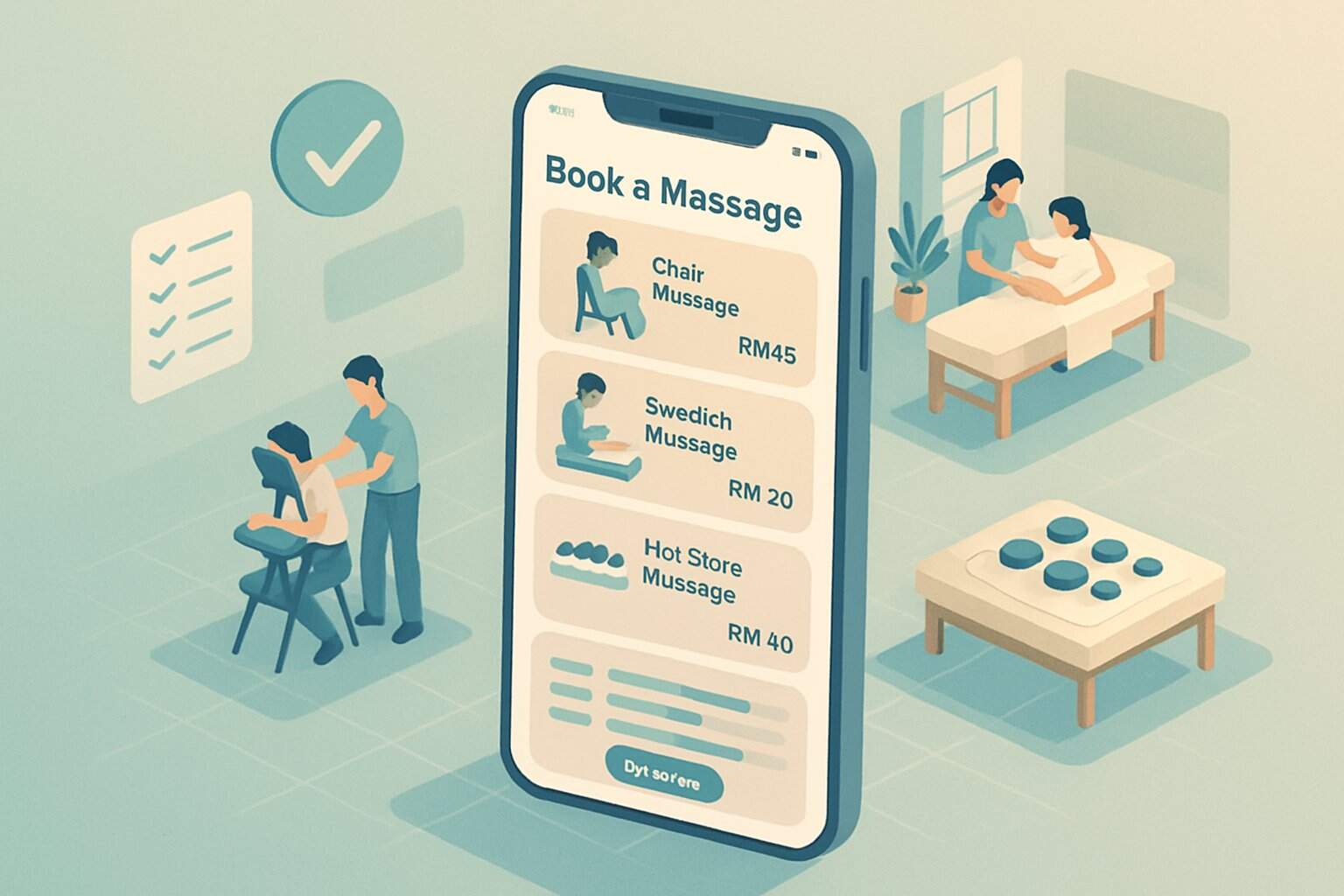
Choosing a relaxing massage should feel as calm as the treatment itself. With 2025’s latest updates in wellness and mobile booking, it is easier than ever to compare techniques, check prices in RM, and schedule a session that truly fits personal routines and budgets. This complete guide explains benefits, the most soothing styles, and step-by-step criteria for selecting the right option on a phone, whether someone wants a quick chair session during a lunch break or a longer Swedish or hot stone experience after work.
Those who want an overview before deciding can explore how to pick a relaxing massage that balances comfort, affordability, and convenience. The article is written in a friendly, instructional style to help readers make an informed choice without pressure or upsells.
Introduction
Relaxation massage has surged in popularity as people look for reliable, affordable ways to reduce stress and recharge without complex routines. In Malaysia, mobile-first discovery and booking have removed many barriers: people compare RM prices, read reviews, and confirm availability from their phones in minutes. At the same time, therapists have adapted services to be more comfortable, personalized, and time-efficient. This guide focuses on what relaxation massage is, why it feels calming, which techniques stand out, and how to choose the best option for one’s needs, based on the latest updates and trends.
The Benefits of a Relaxation Massage
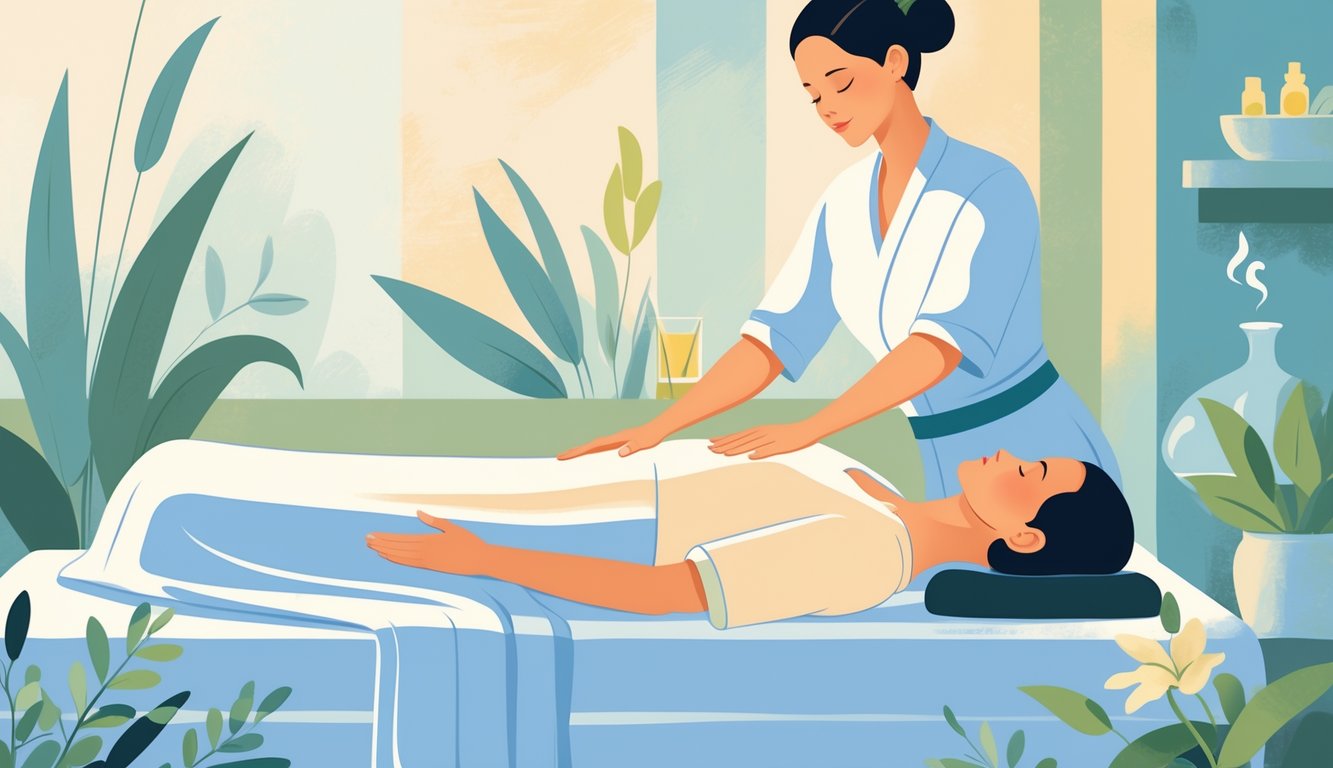
Relaxation massage can be understood as a set of gentle-to-moderate techniques designed to soothe the nervous system, ease muscle tension, and promote a sense of calm. Unlike performance-focused bodywork, the aim is not to push into pain or intensely stretch tissue; instead, it creates a safe, comfortable environment where the body can release built-up stress. This section explains the foundation of relaxation massage and the benefits that most people notice in the hours and days after a session. By incorporating regular relaxing massages into your routine, you can experience sustained improvements in overall well-being, making it a worthwhile investment for long-term stress management.
What is a Relaxation Massage?
A relaxation massage typically uses long, gliding strokes, light kneading, and gentle rhythmic movements across the back, shoulders, arms, and legs. The pressure ranges from light to medium, and the pace remains slow and predictable to encourage the body’s rest-and-digest response. Unlike deep tissue work, which targets specific knots with firmer pressure, a relaxation session prioritizes comfort, smooth transitions, and full-body relief.
Therapists will often use a neutral or lightly scented massage oil to reduce friction and help hands move fluidly across the skin. Draping is used for privacy and warmth, and the room is usually kept quiet with soft lighting and calming music. On mobile booking platforms, relaxation massage may be listed as Swedish or aromatherapy, and it is commonly offered in 60-, 75-, or 90-minute formats.
For individuals using mobile devices to book, relaxation massage is ideal because it is easy to compare options quickly by duration, price in RM, and add-ons. This helps match expectations and budget before arriving, reducing anxiety and making the whole experience smoother from start to finish. Overall, understanding these elements ensures you select a session that truly promotes relaxation and fits seamlessly into your lifestyle.
Why is it Relaxing?
Relaxation massage calms the nervous system through slow, predictable touch. Gentle pressure and steady rhythm help shift the body away from a stress-dominant state and toward parasympathetic activity, where heart rate slows and breathing deepens. This physiological shift helps reduce cortisol and promotes natural feelings of ease and safety.
The environment also plays a vital role. Warmth, low lighting, soothing music, and comfortable draping create a sensory setting that communicates comfort to the brain. When the mind receives consistent signals of safety, muscle tone tends to soften as well, which further reinforces relaxation across the body.
Finally, massage provides a pause from constant input. Many people live with notifications and screens all day. Lying still for 60 to 90 minutes—without decision-making or interruptions—gives the mind time to unwind, which can feel deeply restorative even before the physical benefits are considered. Incorporating such breaks regularly can enhance your ability to manage daily stressors more effectively.
Stress Reduction
Stress frequently manifests as tightness in the neck, shoulders, jaw, and lower back. Gentle kneading and long strokes improve comfort by easing muscle guarding. In response, breathing becomes fuller and slower, and the mind experiences a break from the cycle of stress signals. Over several sessions, some people notice they carry less tension by default.
From a lifestyle perspective, booking a recurring time slot on a phone—such as every second Friday evening—creates a reliable routine. This consistency offers predictable stress relief, which is often more effective than sporadic, last-minute sessions. Small rituals, like arriving a few minutes early to sip water and silence the phone, can amplify the stress-reducing effect.
It is also important to set clear, simple goals with the therapist, such as “light pressure, focus on shoulders, please keep talking minimal.” When expectations are understood, the mind trusts the process and relaxes more fully, turning a good session into an excellent one. Ultimately, these practices make relaxing massage a powerful tool for ongoing stress management in busy lives.
Improved Circulation
Long, sweeping strokes encourage surface-level blood flow and support the lymphatic system, which helps move fluid and cellular waste. Enhanced circulation can warm the skin, reduce a feeling of stiffness, and promote a general sense of vitality after the session. Some clients describe post-massage limbs as lighter and more comfortable.
Hydration before and after the appointment can support these effects. Drinking water helps the body manage fluid shifts and can reduce the heavy feeling that sometimes follows an intense week of sitting. Gentle movement—such as a short walk later in the day—also supports circulation gains without undoing the relaxation achieved during the session.
People selecting services on mobile apps can review session durations and choose slightly longer appointments when circulation support is a priority. A 75-minute session allows extra time for legs and feet, which often feel neglected during short, focused treatments. By prioritizing these aspects, you can maximize the circulatory benefits and feel more energized in your daily activities.
Enhanced Sleep Quality
Relaxation massage encourages deeper breathing and calmer brain activity, both of which support better sleep. Timing matters: many individuals find that late afternoon or early evening sessions help them wind down and transition into a restful night. Others prefer a weekend morning session to recharge without compromising bedtime.
Massage may indirectly enhance natural melatonin patterns by reducing pre-sleep anxiety. When the mind is less fixated on tasks and screens, falling asleep can feel easier. Some clients also use after-session routines like a warm shower, dim lighting, and a simple herbal tea to reinforce the calm.
If sleep is a primary goal, communicating this at the beginning allows the therapist to maintain a slower pace, use lighter pressure around the neck and head, and minimize conversation so the mind can drift into a near-meditative state during the treatment. This targeted approach can lead to more consistent improvements in sleep quality over time.
Pain Relief
While relaxation massage is not designed to replace clinical therapy, it can alleviate discomfort related to posture, light overuse, or stress. Gentle work along the shoulders, upper back, and hips may reduce the sensation of tightness that leads to headaches or low-grade aches. Some people find that consistent relaxation sessions help them avoid spikes of discomfort during busy weeks.
For sensitive areas, communicating “just enough pressure to feel good” prevents guarding and supports comfortable relief. If a client has a specific issue—like a stiff neck from long hours at a laptop—the therapist can spend a little extra time in that region without turning the treatment into aggressive bodywork.
From an affordability perspective, relaxation massage can be an efficient first step for mild discomfort before exploring more intensive and expensive options. In Malaysia, standard pricing often makes monthly maintenance realistic, particularly when comparing short chair sessions with longer table treatments. Integrating this into your routine can provide ongoing relief without significant financial strain.
The Most Relaxing Types of Massages
Not all soothing massages feel the same. Pressure, temperature, pace, and scent preferences vary from one person to another. Below are the most commonly requested styles for relaxation, along with what sets each apart. Understanding these differences makes it easier to choose a session that meets goals, fits the schedule, and stays within budget. This knowledge empowers you to select a relaxing massage that truly enhances your well-being.
Swedish Massage: Gentle Techniques for Deep Relaxation
Swedish massage is the classic relaxation style known for long, flowing strokes, light kneading, and rhythmic transitions. The pressure is light to medium, carefully avoiding discomfort while targeting the whole body. This makes it a good first choice for anyone new to massage or those who want a consistent, soothing experience without surprises.
Therapists often tailor Swedish sessions to emphasize the back and shoulders—common sites of tension—while still addressing arms, legs, and feet. With a steady pace and warm oil, the nervous system gently slows, and muscles soften without feeling pushed. Many clients report feeling “reset” after an hour, even without deep pressure.
In Malaysia, a 60-minute Swedish massage often falls within an accessible price range. While rates vary by location, RM 120–RM 220 is common for reputable studios, with higher-end venues or hotel spas charging more for upgraded environments and amenities. Opting for this type can be a cost-effective way to incorporate regular relaxation into your routine.
Hot Stone Massage: Warm Stones for Muscle Tension Relief
Hot stone massage combines traditional hands-on techniques with carefully heated basalt stones. The heat penetrates superficial layers quickly, helping tight muscles relax without intense pressure. Many people find the warmth alone deeply soothing, especially after long hours in air-conditioned spaces or during cooler periods.
During the session, stones may be placed along the back and shoulders while the therapist alternates between holding stones and using hands. The result is an enveloping sense of comfort and an even slower pace than typical Swedish, making hot stone a favorite for those who want the most cozy, sleep-inducing experience.
Prices for hot stone sessions are usually higher due to equipment, setup, and time. In many Malaysian studios, expect roughly RM 180–RM 300 for 60 to 75 minutes. Clients who love warmth but prefer a lower price can ask for a heated towel or heat pack add-on during a standard Swedish massage, providing similar benefits at a reduced cost.
Chair Massage: Quick and Convenient Stress Relief
Chair massage is performed clothed on a specially designed chair that supports the chest and head. Sessions typically target the back, shoulders, neck, and arms—areas where stress builds most in office workers and frequent phone users. Because no oil or undressing is needed, appointment lengths are shorter and easier to fit into a tight schedule.
For those who want a midday reset, chair massage can provide noticeable relief in as little as 10 to 20 minutes. The compact format also makes it suitable for people who feel uneasy about full-body sessions or who simply prefer minimal setup. It is a practical, wallet-friendly form of self-care.
In Malaysia, chair massage is often the most affordable option. Short sessions may range from RM 20–RM 60 depending on location and duration. It is a smart starting point for anyone testing massage for the first time or managing a strict monthly wellness budget, offering quick access to relaxation without long commitments.
Aromatherapy Massage: Essential Oils for Holistic Well-Being
Aromatherapy massage blends Swedish-style strokes with essential oils chosen for mood and comfort, such as lavender for calm or citrus for uplift. The goal is to pair soothing touch with scent to influence the nervous system through both skin and inhalation. When chosen carefully, aromas can noticeably deepen relaxation.
Because scents are personal, discussing preferences and sensitivities beforehand is important. A simple patch test for essential oils is wise for sensitive skin, and unscented options should always be available. Clients who love fragrance often appreciate how the scent lingers for hours after the appointment.
Aromatherapy sessions tend to be priced like Swedish or slightly higher to cover oil blends. In many Malaysian studios, 60-minute sessions can range from RM 150–RM 250. Those who want the sensory effects without extra cost can ask for a single complimentary scent if the studio offers it, or opt for an unscented base oil to keep the price lower, ensuring a personalized yet affordable experience.
| Massage Type | Typical Duration | Pressure | Best For | Typical Price (Malaysia) | Mobile-Friendly Booking Notes |
|---|---|---|---|---|---|
| Swedish | 60–90 min | Light–Medium | Full-body relaxation | RM 120–RM 220 (60 min) | Common everywhere; easy to compare ratings and add-ons |
| Hot Stone | 60–75 min | Light–Medium with heat | Cozy, deep comfort without firm pressure | RM 180–RM 300 | Check heat preferences; confirm setup time in booking notes |
| Chair | 10–30 min | Light–Medium | Fast relief for neck/shoulders | RM 20–RM 60 | Great for quick scheduling and budget-friendly upkeep |
| Aromatherapy | 60–75 min | Light–Medium | Stress and mood balance | RM 150–RM 250 | Confirm scent options; note any sensitivities in the app |
Choosing the Right Relaxation Massage in 2025
With the latest updates for 2025, selecting a relaxing massage has become more streamlined than ever. The key shift is convenience: mobile-first booking features, transparent pricing in RM, and quick comparison tools make it easier to filter by pressure level, duration, and add-ons. The most reliable approach is to match a massage type to a specific goal—stress relief, better sleep, or gentle pain reduction—while weighing time and budget. This section provides practical guidance to help you make an informed decision that enhances your wellness routine.
Factors to Consider: Personal Needs and Preferences
Start by clarifying the main goal, such as aiming for a calmer mind and easier sleep, which makes Swedish or aromatherapy a reliable choice. For those who crave cozy warmth, hot stone feels wonderfully nurturing without requiring intense pressure, while chair massage suits tight schedules or limited budgets with its quick relief. Deciding on this focus helps narrow down options effectively and ensures the session aligns with what you truly need.
Next, decide on duration, where a 60-minute session fits most schedules and budgets, but 75 minutes can feel noticeably more comprehensive without a large price jump. People who respond slowly to touch or want extra leg and foot work often benefit from the longer format, whereas those needing just a reset might prefer 20-minute chair sessions scheduled weekly. Balancing time with expected benefits is key to a satisfying experience.
Finally, evaluate comfort preferences, like opting for very light pressure, minimal conversation, and unscented oil, or enjoying a faint fragrance and warm, dim lighting. On a mobile booking app, specifying details such as “light to medium pressure,” “focus on back and shoulders,” and “quiet session preferred” sets expectations and often improves outcomes. This simple sequence can be completed on a phone in a few minutes, with added preferences in booking notes helping therapists prepare appropriately for a smoother, more relaxing session from the start.
Current Trends: Innovations and Popular Choices
Mobile-first experiences continue to improve, with studios now highlighting real-time availability, instant messaging for clarifications, and contactless payment options. These conveniences reduce friction and make wellness feel more accessible, especially for those who prefer planning on the go. In Malaysia, transparent pricing in RM with optional add-ons is increasingly standard, which helps clients assemble an experience that fits both goals and budget without unexpected costs.
Short-format sessions are on the rise, as many people split their budget between a monthly 60-minute Swedish massage and a quick mid-month chair session, rather than one longer appointment. This approach maintains momentum while keeping monthly costs manageable, and subscription bundles along with weekday pricing windows offer cost-effective ways to stay consistent without sacrificing quality. Such flexibility caters to diverse lifestyles and promotes regular self-care.
Finally, personalization is expanding, with clearer options for scent-free rooms, minimal conversation, or extra quiet time before and after the session. Some studios provide gentle mindfulness add-ons—such as guided breathing in the first two minutes—which help the nervous system transition faster. None of these trends requires a higher spend; instead, they make the most of the minutes paid for, ensuring a tailored and efficient relaxing massage experience.
Conclusion: Integrating Massage into Your Wellness Routine
Relaxation massage works best when it becomes a steady part of life rather than a rare indulgence. Choosing a style that aligns with specific goals, booking a duration that feels spacious but affordable, and keeping a regular cadence can deliver meaningful, cumulative benefits. For many, alternating a standard Swedish session with a short chair tune-up provides the right balance between time, cost, and comfort.
Budgeting in RM is straightforward: set a monthly figure and build from there. For example, one 60-minute Swedish massage plus a brief chair session later in the month often stays within a moderate budget while maintaining stress relief. If schedules are unpredictable, prioritize shorter, more frequent appointments that fit around work and family commitments, knowing the nervous system benefits from regular signals of safety and care.
Ultimately, the right relaxing massage is the one a person can sustain. With clearer pricing, smarter mobile booking tools, and styles that meet every preference—from warmth and scent to silence and simplicity—relaxation is no longer a luxury reserved for special occasions. It is a practical, affordable practice that restores balance, one calm session at a time. Embracing this approach can lead to lasting improvements in stress levels, sleep quality, and overall life satisfaction.